

Imagine walking into your home after a long day. The lights dim to a cozy glow, your favorite jazz playlist starts playing, and the thermostat adjusts to the perfect temperature—all without you lifting a finger. Sounds like magic, right? Well, it’s not magic; it’s the power of a smart home! And the best part? Setting one up isn’t as complicated (or expensive) as you might think.
The Many Perks of a Smart Home
If you’re wondering why so many homeowners are diving into the world of smart home technology, here’s the deal: It makes life easier, safer, and—let’s be honest—a lot more fun.
Convenience at Your Command
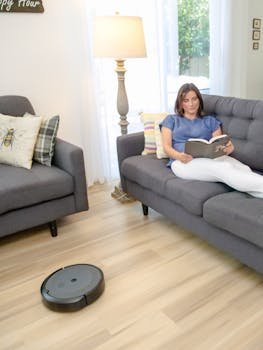
Smart home technology offers incredible convenience for people over 65 by simplifying daily tasks and enhancing independence. With voice-activated assistants, seniors can easily control lights, adjust thermostats, or play music without having to move around the house. Automated systems can manage everything from locking doors to brewing morning coffee, creating a seamless and stress-free living environment.
Smart home devices also reduce the need to remember routines—like turning off the oven or taking medication—by sending helpful alerts or performing actions automatically. Overall, this technology empowers older adults to stay comfortable, safe, and in control of their homes with minimal effort.
With smart technology, you can control just about everything with a simple voice command or a tap on your phone. Forgot to turn off the lights before bed? No problem. Just say, “Alexa, turn off the living room lights,” and drift off to sleep without a care. And who doesn’t want to read a book while vacuuming. The options are endless.
Enhanced Security
Smart security systems let you keep an eye on your home from anywhere. Video doorbells, motion sensors, and automated locks provide peace of mind whether you’re on vacation or just in the backyard gardening. You can even set up alerts for unexpected activity—no more guessing whether you left the garage door open.
Energy Efficiency (and Lower Bills!)
Smart thermostats and energy-efficient appliances help cut down on wasted energy, which means lower utility bills. Some smart thermostats even learn your habits and adjust accordingly. If you tend to get chilly in the evenings, your home will warm up just in time for your favorite show.
Must-Have Smart Devices for Your Home
So, what should every smart home include? Here are the top essentials:
1. Smart Speaker (Your Digital Butler)
Devices like Amazon Echo or Google Nest Hub serve as the brain of your smart home, allowing you to control most devices with your voice. Plus, they tell jokes, set timers, and answer life’s burning questions—like how long to boil an egg.
2. Smart Lighting (No More Stumbling in the Dark)
Smart bulbs and switches let you control lighting remotely or on a schedule. Set up motion-activated lights for nighttime trips to the kitchen or bathroom, or program your lights to mimic sunrise to help you wake up naturally.
3. Smart Thermostat (Comfort Without the Guesswork)
A smart thermostat, like the Nest or Ecobee, learns your routine and adjusts the temperature automatically. You’ll stay comfortable while saving on energy costs—win-win!
4. Smart Security System (Because Peace of Mind is Priceless)
A video doorbell, motion sensors, and security cameras help keep your home secure. Get alerts when someone’s at the door or check who’s been lurking around while you’re away.
5. Smart Plugs (Turn Anything Into a Smart Device)
These little gadgets allow you to control non-smart devices—like a coffee maker or fan—from your phone. Want your coffee ready when you wake up? Just set a schedule!
6. Smart Locks (No More “Did I Lock the Door?” Moments)
With a smart lock, you can lock or unlock your doors remotely. Some even allow keyless entry with a fingerprint or a code—perfect for when guests or grandkids drop by.
How a Smart Home Helps Seniors Age in Place
For retirees and seniors, a smart home isn’t just about convenience—it’s about independence.
Safety First
Smart sensors can detect falls, smoke, or carbon monoxide leaks and send alerts to emergency contacts. Video doorbells and smart locks allow you to screen visitors without opening the door.
Medication and Appointment Reminders
Smart assistants can remind you to take medications, drink water, or attend appointments. No more sticky notes on the fridge!
Easier Daily Living
Voice-activated assistants help with tasks like setting alarms, checking the weather, or even calling family members. Motion-activated lights reduce the risk of tripping in the dark, while smart thermostats ensure the home is always at a comfortable temperature.
The Downsides of a Smart Home
While smart homes offer convenience and security, they’re not without their challenges. One major concern is privacy. Many smart devices collect data on your habits, preferences, and even voice recordings. Before you decide on a system, be sure to review the privacy policy.
Relying on internet-connected devices means that outages or technical glitches can leave you locked out of your own home or unable to control basic functions. Most systems have manual back-up but make sure you understand how it works before installing.
Ready to Make Your Home Smarter?
Setting up a smart home doesn’t have to be overwhelming. Start with one or two devices and expand from there. Whether you want to boost security, save money, or simply make life easier, smart technology is the way to go. And for retirees and seniors, it’s a game-changer—allowing for safer, more independent living at home.
So, why wait? Embrace the future of home living today!