
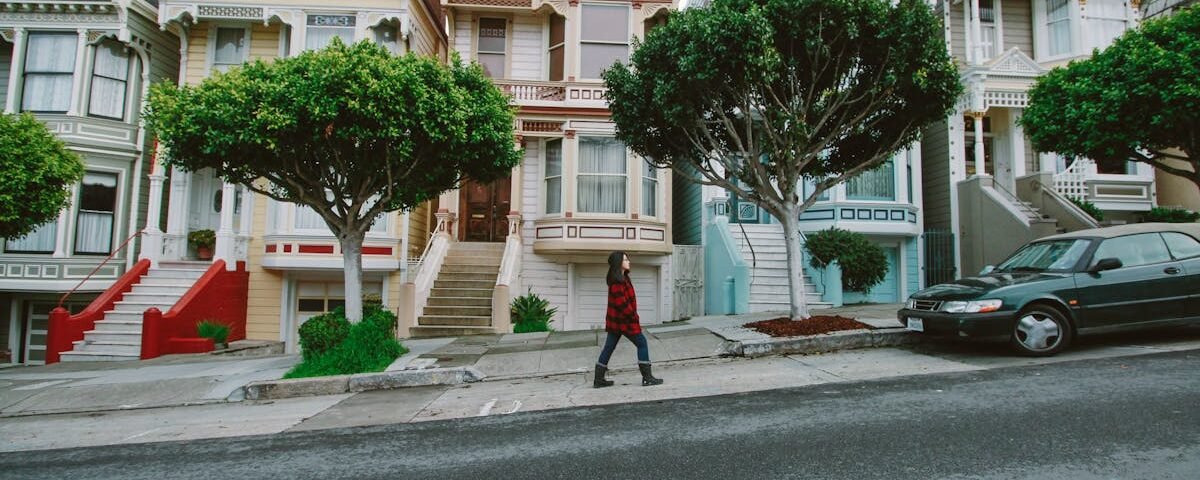
Exploring cities on foot offers seniors and retirees a wonderful way to stay active, discover new places, and enjoy the freedom of car-free travel. The best walkable cities combine accessible sidewalks, manageable terrain, excellent public transportation, and neighborhoods designed with pedestrians in mind. Whether you’re planning a vacation, considering relocation, or simply looking for your next adventure, these ten cities offer outstanding experiences for walkers of all abilities.
Top 10 Most Walkable Cities for Seniors

1. Portland, Oregon
Portland consistently ranks as one of America’s most walkable cities, with a pedestrian-friendly downtown and exceptional public transit system. The city’s mild climate, flat terrain in central areas, and abundance of parks make it ideal for seniors who enjoy walking.
- Well-maintained sidewalks with frequent benches
- Extensive light rail and streetcar network
- Pearl District and downtown core highly walkable
- Tom McCall Waterfront Park offers scenic, flat walking paths
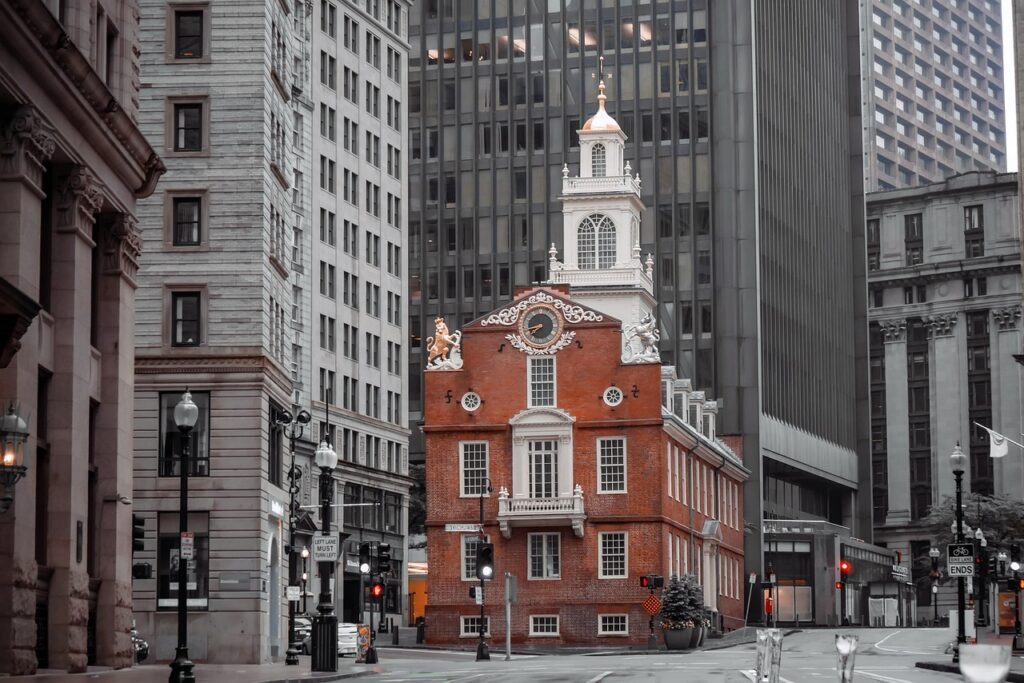
2. Boston, Massachusetts
Boston’s compact layout and historic neighborhoods create a pedestrian paradise. While some areas feature cobblestones and hills, the city’s walkability score remains exceptional, particularly in Back Bay, Beacon Hill, and along the Charles River Esplanade.
- Freedom Trail offers guided historic walking experiences
- Comprehensive subway system (the T)
- Numerous museums and attractions within walking distance
- Public gardens provide peaceful resting spots

3. San Francisco, California
While famous for its hills, San Francisco offers many flat, highly walkable neighborhoods perfect for seniors. Fisherman’s Wharf, the Embarcadero, and Golden Gate Park provide extensive level walking opportunities with stunning views.
- Cable cars and buses assist with hilly terrain
- Marina District features flat waterfront walks
- Year-round mild temperatures
- Abundant coffee shops and rest stops

4. Charleston, South Carolina
Charleston’s historic district charms visitors with its flat terrain, beautiful architecture, and Southern hospitality. The city’s compact downtown makes it easy to explore historic homes, gardens, and waterfront areas on foot.
- Flat, grid-pattern streets
- Historic district covers just 2 square miles
- Waterfront Park and Battery promenade
- Free downtown trolley for tired feet

5. Seattle, Washington
Seattle’s Pike Place Market, waterfront, and downtown core offer excellent walking experiences. While the city has hills, many neighborhoods and the entire waterfront area provide flat, accessible routes with spectacular views.
- Pike Place Market is level and bustling
- Olympic Sculpture Park offers waterfront walking
- Light rail connects major destinations
- Covered walkways protect from rain
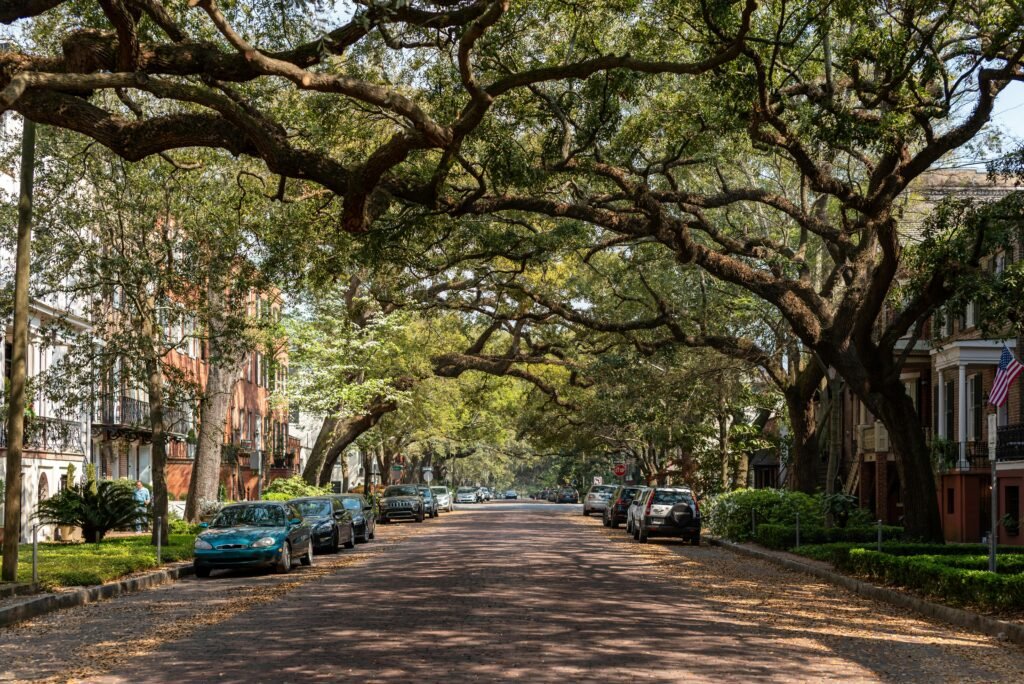
6. Savannah, Georgia
Savannah’s historic district features 22 beautiful squares, all easily walkable and connected by tree-lined streets. The city’s flat terrain and Southern charm make it a delightful destination for pedestrian exploration.
- Completely flat historic district
- 22 squares provide frequent resting spots
- River Street offers scenic waterfront strolls
- Free trolley system supplements walking

7. Philadelphia, Pennsylvania
Philadelphia’s historic downtown and Old City neighborhoods are exceptionally walkable, featuring wide sidewalks and rich American history at every turn. The city’s grid layout makes navigation simple and straightforward.
- Independence Hall and Liberty Bell within walking distance
- Reading Terminal Market offers indoor exploration
- Extensive subway and bus network
- Benjamin Franklin Parkway provides scenic walking

8. Santa Fe, New Mexico
Santa Fe’s compact downtown plaza area offers a unique walking experience through adobe architecture and art galleries. At 7,000 feet elevation, visitors should acclimate gradually, but the dry climate and cultural richness reward explorers.
- Flat downtown plaza district
- Art galleries and museums within walking distance
- Low humidity and sunshine year-round
- Shaded portal walkways protect from sun
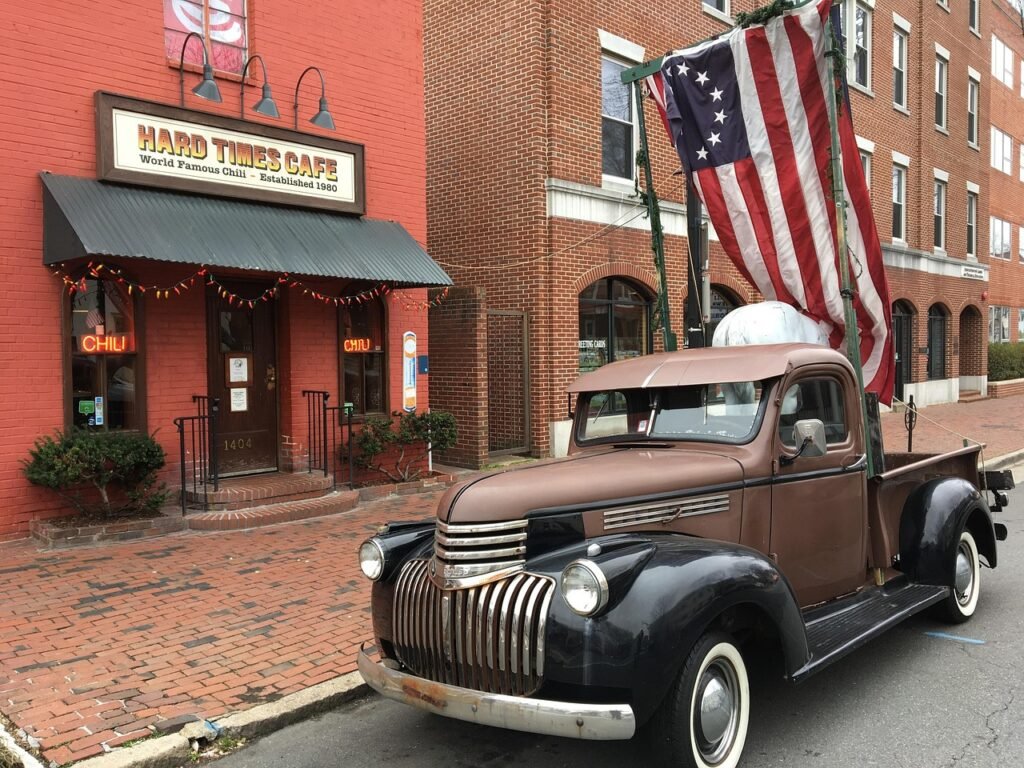
9. Alexandria, Virginia
Old Town Alexandria combines historic charm with modern amenities in a compact, highly walkable waterfront setting. The cobblestone streets add character, though some blocks feature smooth sidewalk alternatives.
- Potomac River waterfront walking path
- King Street offers dining and shopping
- Metro station connects to Washington DC
- Free trolley throughout Old Town
10. Madison, Wisconsin
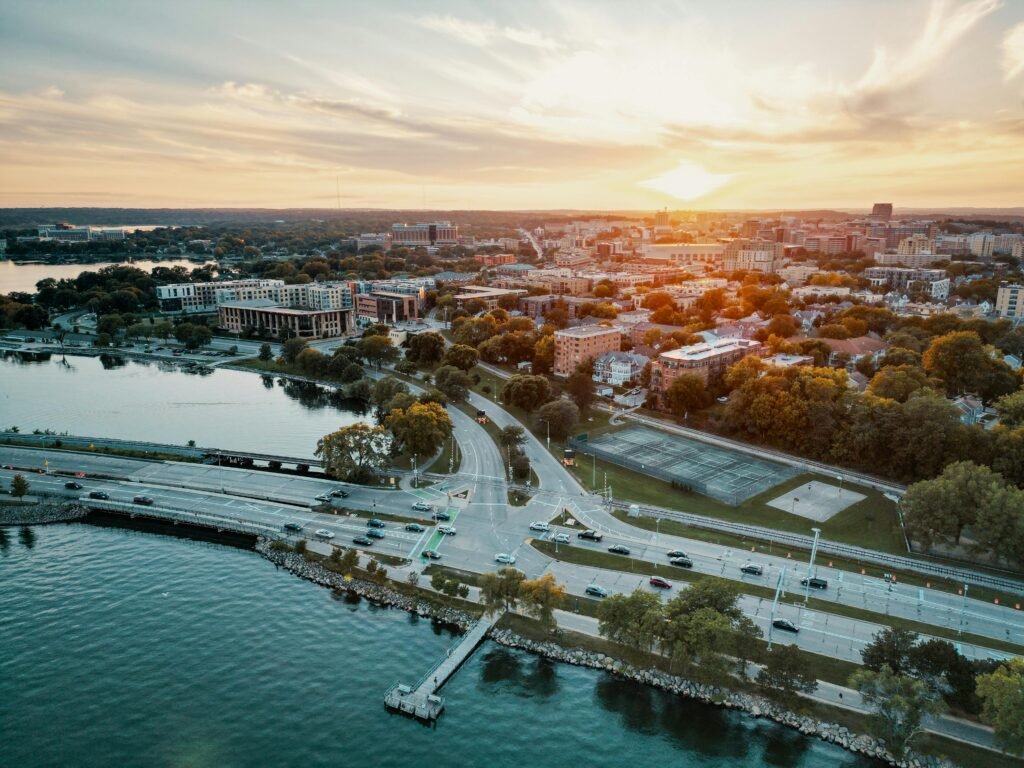
Madison’s isthmus location between two lakes creates beautiful walking opportunities. The State Street pedestrian mall and lakefront paths offer level, scenic routes perfect for seniors seeking both urban and natural environments.
- State Street pedestrian mall (car-free)
- Lake Mendota and Monona shoreline paths
- University of Wisconsin campus walkways
- Farmers market on Capitol Square
What Makes a City Great for Senior Walkers?
The best walkable cities for seniors share several important characteristics that enhance safety, comfort, and enjoyment. Understanding these features helps you choose destinations that match your abilities and preferences.
Sidewalk Quality and Maintenance
Wide, smooth sidewalks with minimal cracks or uneven surfaces reduce tripping hazards. Cities with regular maintenance programs ensure pathways remain safe year-round. Look for destinations with curb cuts at intersections and pedestrian-friendly crosswalk timing that allows adequate crossing time.
Terrain and Elevation
While some hills add character, predominantly flat terrain makes walking more accessible for seniors with mobility concerns or cardiovascular considerations. Cities offering both flat downtown cores and hillier neighborhoods provide options for various fitness levels.
Public Transportation Access
Excellent public transit systems allow seniors to combine walking with bus, subway, or light rail travel. This flexibility means you can walk as much as you want, then use transit when tired, without worrying about parking or driving in unfamiliar areas.
Senior Safety Tip: Before exploring a new city, research senior discount transit passes. Many cities offer reduced fares for seniors, making public transportation even more economical. Some of the cities on this list have free trolley and buses in the core of the city. If passes are needed, purchase a day pass or multi-day pass to eliminate the stress of individual fare transactions.
Amenities and Rest Stops
Frequent benches, public restrooms, water fountains, and shade structures make extended walking more comfortable. Coffee shops, libraries, and shopping areas provide climate-controlled rest options during hot summers or cold winters.
Safety and Lighting
Well-lit streets, active pedestrian traffic, and low crime rates contribute to feeling secure while walking. Cities with strong pedestrian cultures typically feature better driver awareness and more respectful traffic patterns.
Planning Your Walking City Adventure
Best Seasons to Visit
Timing your visit can dramatically improve your walking experience. Spring and fall typically offer the most comfortable temperatures across most US cities. Southern cities like Charleston and Savannah shine in winter months, while Pacific Northwest cities like Portland and Seattle are most pleasant in summer. Consider local event calendars, as festivals can add excitement but also crowds.
Footwear and Preparation
Invest in quality walking shoes with excellent arch support and cushioning. Break in new shoes before your trip to avoid blisters. Bring blister prevention supplies, sunscreen, a refillable water bottle, and a lightweight daypack for carrying essentials. Layered clothing allows adjustment to changing temperatures throughout the day.
Daily Walking Strategies
Start early to avoid crowds and heat. Plan routes with rest stops every 15 to 20 minutes. Mix walking with seated activities like museum visits or café stops. Don’t overcommit to distance goals; it’s better to walk comfortably for several days than exhaust yourself on day one. Most smartphones have maps apps that can help you navigate and track your routes.
Hydration Reminder: Seniors may experience decreased thirst sensation. Set phone reminders to drink water every 30 minutes, even if not thirsty. Dehydration can lead to fatigue, confusion, and increased fall risk.
Accommodation Location
Choose hotels or vacation rentals in walkable neighborhoods close to attractions. Paying slightly more for a central location often saves money on transportation while maximizing walking convenience. Read reviews specifically mentioning walkability and nearby amenities.
Health Benefits of Walking Cities
Exploring cities on foot offers numerous physical and mental health benefits specifically valuable to seniors. Regular walking strengthens bones and muscles, improves cardiovascular health, and helps maintain healthy weight. Urban walking provides varied terrain and scenery that keeps exercise interesting and mentally stimulating.
Walking in engaging urban environments may help maintain cognitive function. The combination of navigation, observation, and social interaction exercises the brain while exercising the body. Many seniors report improved mood, better sleep, and increased energy levels when traveling to walkable cities.
The social aspect of urban walking shouldn’t be overlooked. Walkable cities encourage interaction with locals and fellow travelers. Striking up conversations, asking for directions, and sharing experiences creates meaningful connections that enrich travel beyond sightseeing.
Accessibility Considerations
Even within highly walkable cities, accessibility varies by neighborhood. Research specific areas you plan to visit. Many tourism websites now include accessibility information, including slope grades, surface types, and rest stop locations.
For seniors using mobility aids, call ahead to attractions, restaurants, and hotels to confirm accessibility. Many older historic districts have made significant improvements but may still have limitations. Some cities offer specialized accessibility maps highlighting level routes and accessible facilities.
Don’t hesitate to use available assistance. Mobility scooter rentals are available in most major cities and can extend your exploration capabilities. Many museums and attractions offer wheelchairs for visitors. Using these tools when needed allows you to enjoy more of your trip comfortably.
Embrace Pedestrian Adventures
Walking cities offers seniors and retirees an enriching way to travel, combining exercise, exploration, and independence. The ten cities featured in this guide represent some of America’s finest pedestrian-friendly destinations, each offering unique character and experiences. Whether drawn to coastal scenery, historic charm, cultural richness, or natural beauty, you’ll find walkable cities that match your interests.
Start planning your walking city adventure today. Choose a destination that excites you, prepare appropriately, and embrace the freedom of pedestrian exploration. The rewards of discovering cities on foot—at your own pace, following your curiosity—create travel memories that last a lifetime.